Drains and sewer lines in Fresno and Clovis
A blocked line is a symptom. What matters is what is blocking it and what condition the pipe is in, so the cause gets looked at before anyone quotes you for digging.
“Great company that has helped us many times. Big jobs and small jobs you can rely on Justin and his crew.”
On this page
Hydro jetting
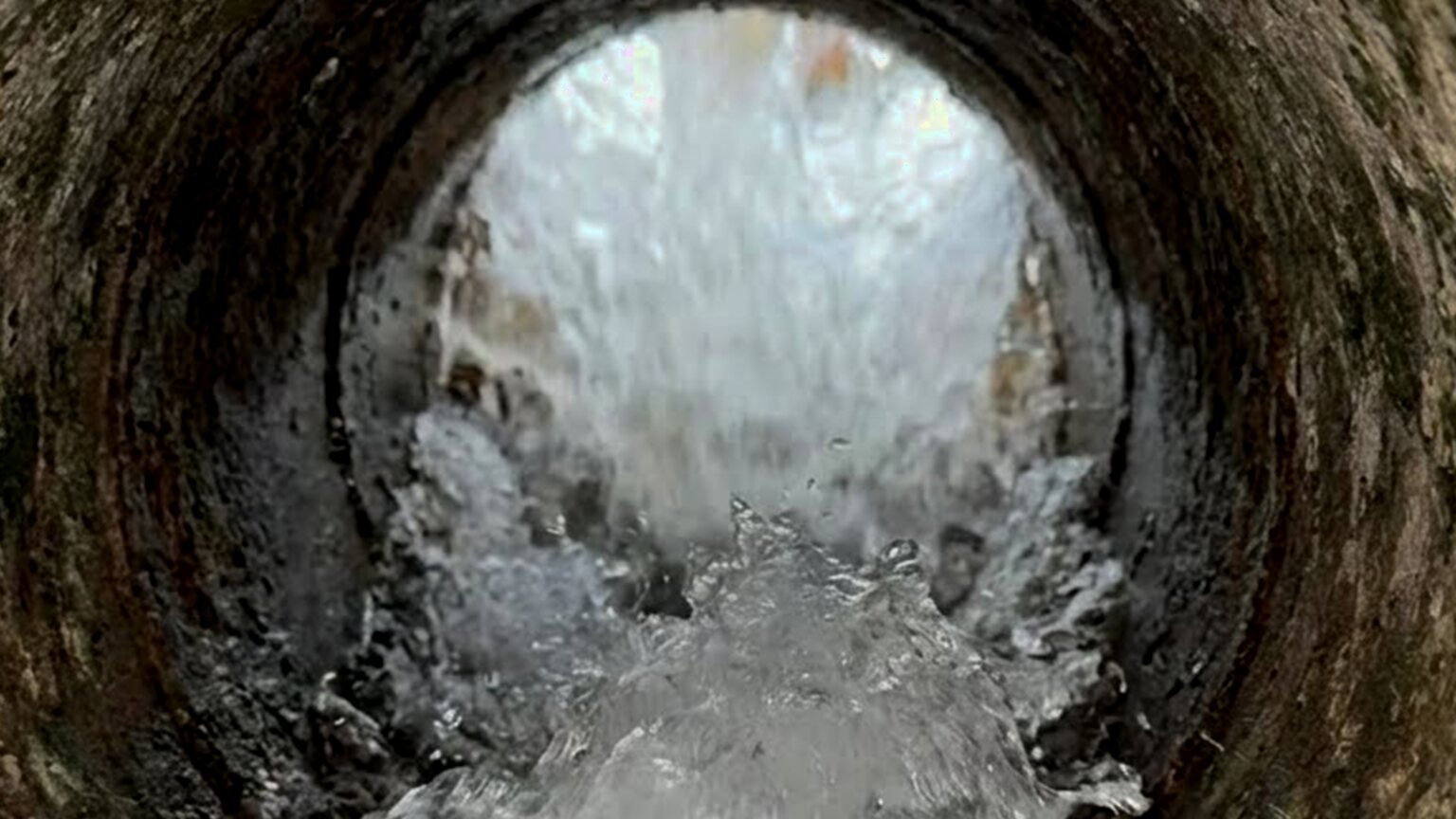
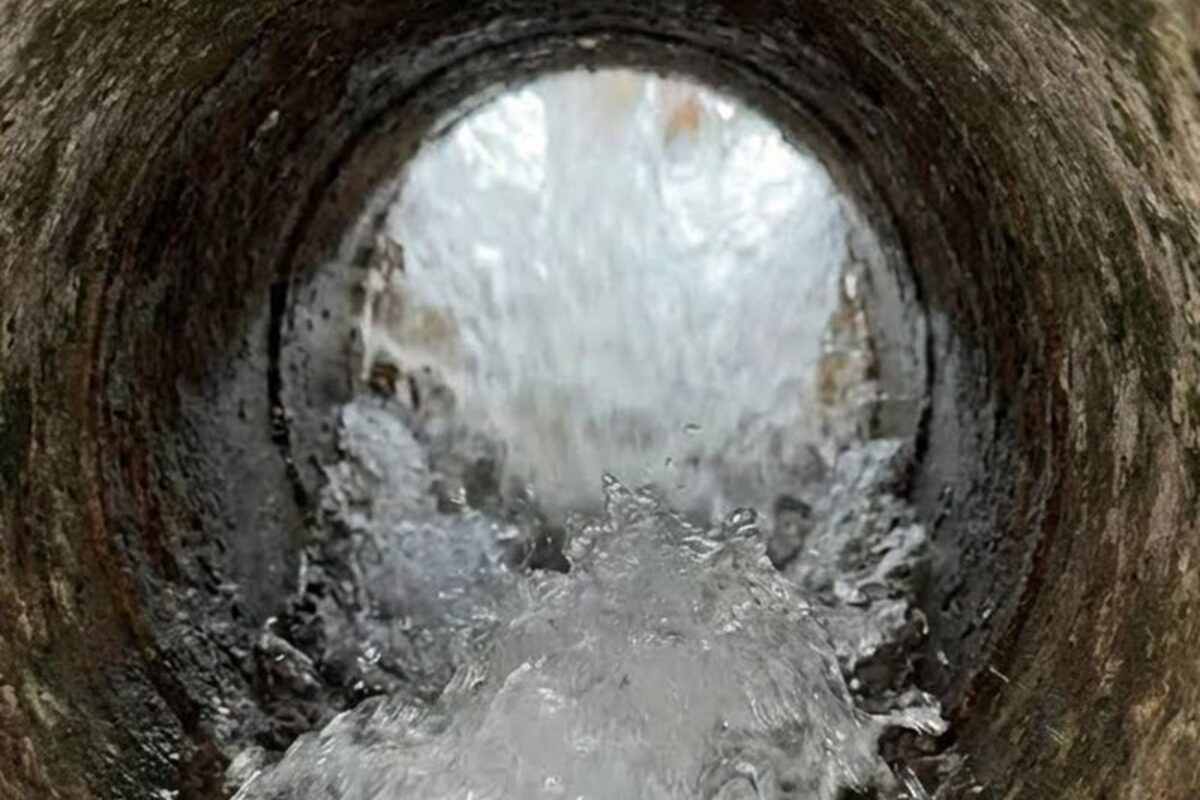
High-pressure water clearing grease, scale, and root mass out of a line instead of poking a hole through it.
- A line that keeps coming back after being cleared
- Grease, soap or scale in a kitchen or laundry line
- Roots in a sewer lateral
- A line that runs slow rather than stopping completely
Hydro jetting drives high-pressure water through a hose and nozzle to scour the full inside of the pipe and wash the debris downstream. That is the difference from cabling. A cable cuts a channel through a blockage and leaves the rest sitting on the pipe wall. A jetter cleans the wall all the way round. Pressure and nozzle are chosen for the pipe material and its condition. Old clay or cast iron is not treated like new PVC, because the point is to clean the line without destroying it.
Drain cleaning
Kitchen, bathroom, laundry, and main lines, with the cause looked at and not just the clog.
- One sink, tub or toilet that drains slowly or not at all
- Water backing up into a different fixture than the one you used
- A drain that gurgles
- A cleanout that overflows when the washing machine empties
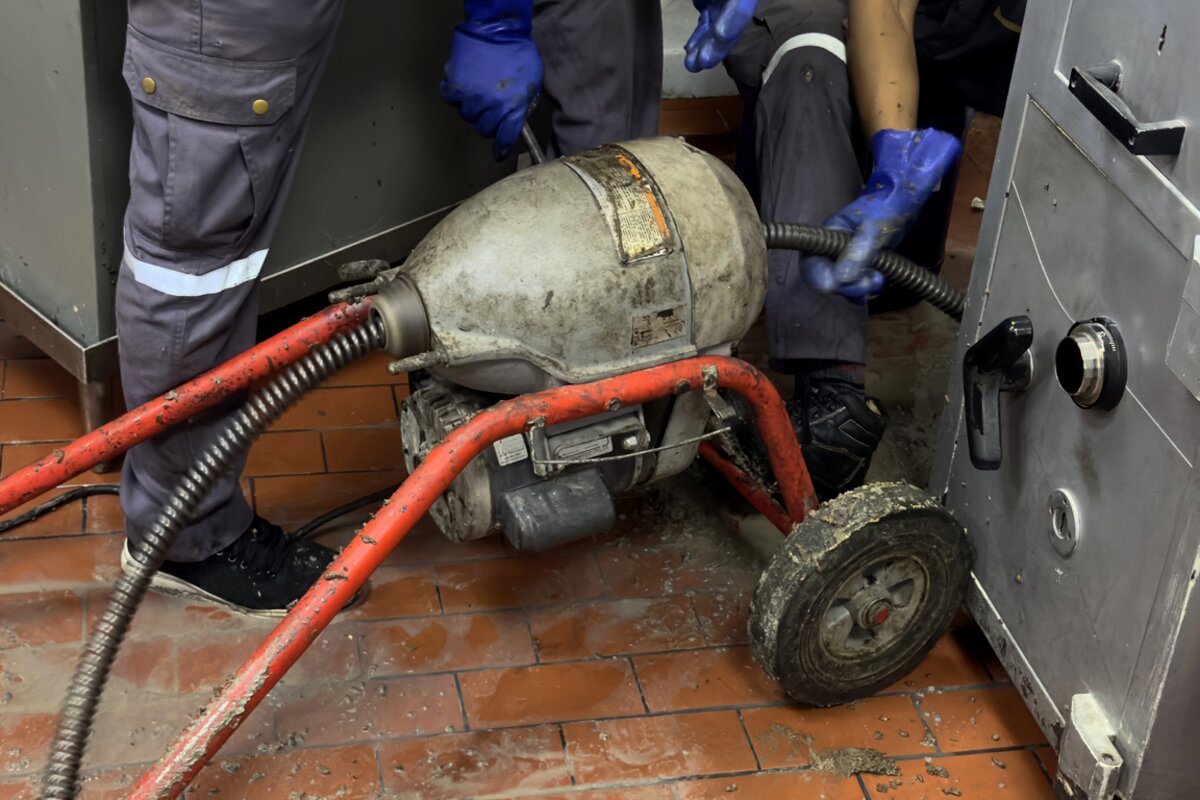
Kitchen, bathroom, laundry and main lines, with the cause looked at and not only the clog. Which fixtures are affected narrows the location fast. One fixture is usually a branch line. Several at once points at the main. Where a line keeps blocking, the question stops being how to clear it and becomes what is in the pipe: grease, roots, scale, a belly, or a break. That is a camera question, not a cable question.
Camera inspection
Seeing inside the line before anyone quotes you for digging it up.
- A line that blocks repeatedly
- A quote for digging or replacement that came without anyone seeing inside
- A house old enough to have clay, cast iron or Orangeburg pipe underground
- A recent purchase with no history for the sewer line
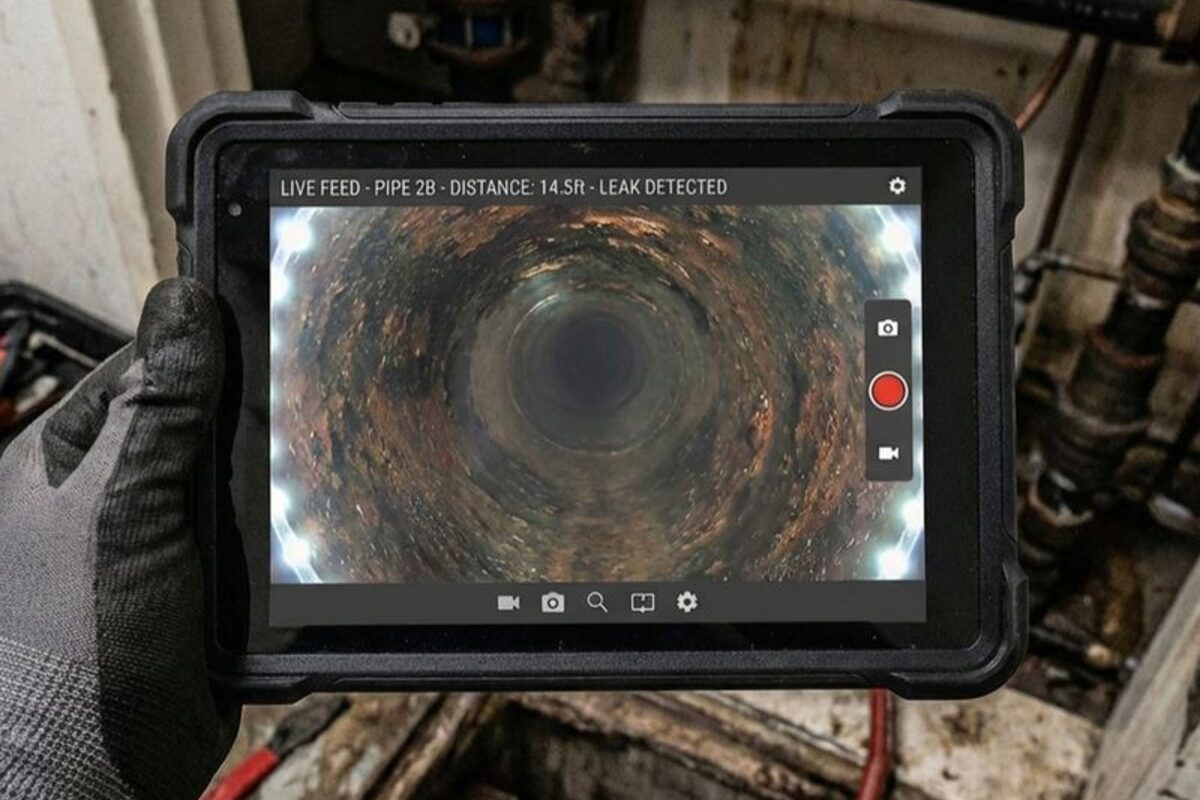
A camera on a push rod runs down the line and shows its inside. The material, where the joints sit, whether roots are entering at a joint, whether the pipe has cracked, separated or bellied, and whether the blockage is grease, scale or debris. It is the difference between quoting the repair you need and quoting a dig on suspicion. Most units record, and the footage is worth asking to see.
Sewer line replacement
Failed, bellied, or root-crushed sewer lines, dug and replaced.
- A line that has failed in the same place more than once
- A camera showing a break, a collapse, or a belly that holds water
- Sewage surfacing in the yard
- Roots returning within months of being cut out
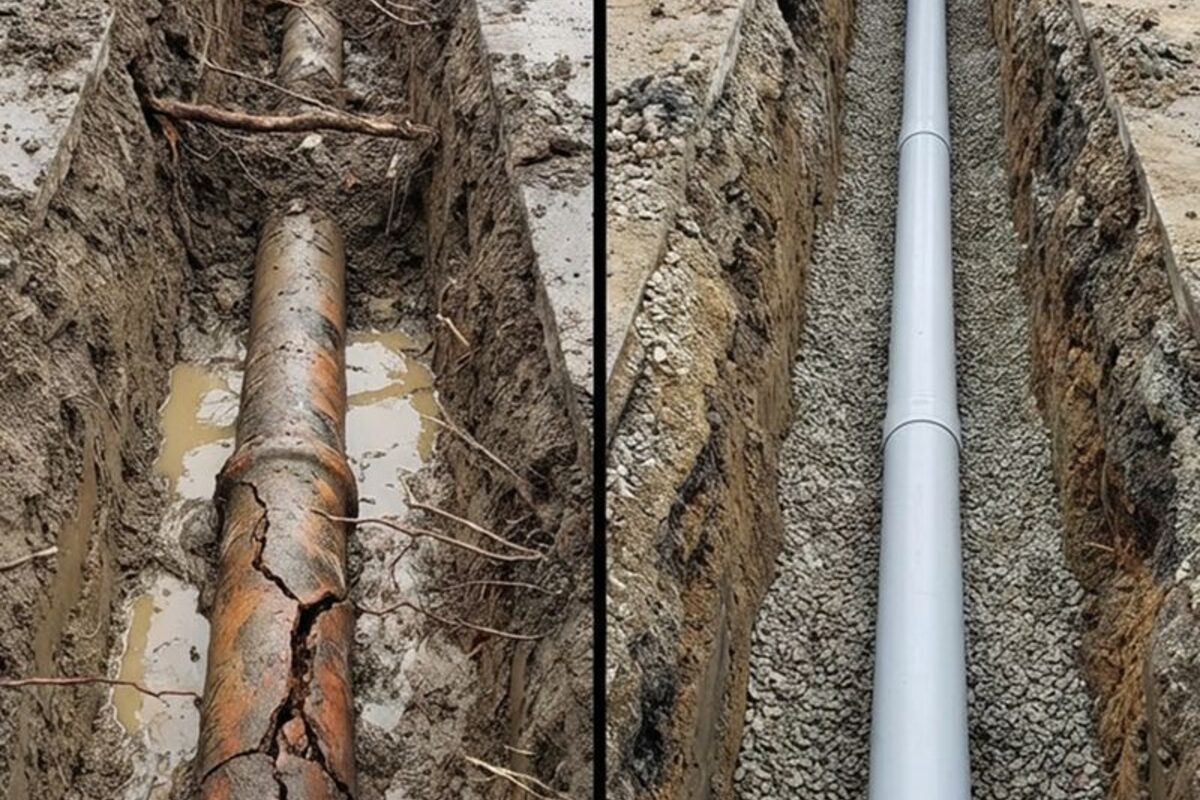
Failed, bellied and root-crushed sewer lines, dug and replaced. Where the failure is one spot, a repair section addresses it. Where the pipe has failed along its length, or in several places, piecemeal repairs cost more over a few years than replacing the run once. In the work itself what matters is the slope, the bedding under the new pipe, the joints, and inspecting the completed line before it is backfilled. After backfill, every mistake is underground.
Commercial drain cleaning
Restaurant, shop, and multi-unit lines, scheduled before service hours where the job allows.
- A kitchen or utility line that blocks on a schedule
- A grease interceptor that fills faster than it should
- Multiple units in a building backing up together
- A drain that backs up under load rather than at rest
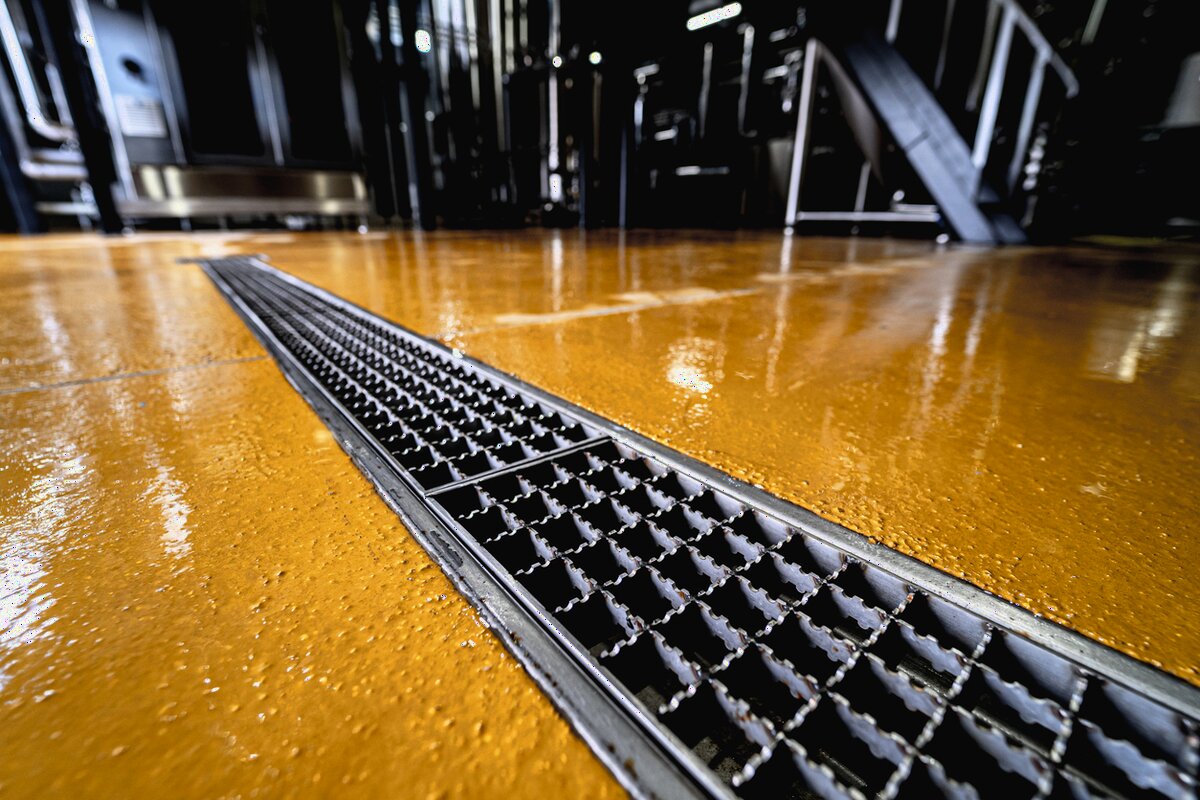
Restaurant, shop and multi-unit lines, including grease and floor drains, scheduled before service hours where the job allows. Commercial lines are a different problem from household ones. The load is heavier, the grease is constant, and access is often the real constraint. Cleaners and interceptors have to be reachable, and the drain usually has to be idle while the work is done and cleaned down afterwards.
2 photographs on this page are licensed stock images rather than photographs of this shop's own work. The shop’s own job photographs are in the work gallery on the home page.
Telling the lookalikes apart.
Most of the money in this trade is decided by which of two similar problems you actually have. These are the distinctions worth understanding before you call anyone.
One fixture, or the whole house
This is the first useful question. One slow or blocked fixture usually means a branch line between that fixture and the main. Several backing up at once points at the main: a shower pan filling when the toilet is flushed, or a downstairs fixture backing up when an upstairs one drains. The second is the more urgent problem, and the one worth calling about today.
Clearing a line, or cleaning it
A cable cuts a channel through whatever is blocking the pipe. It leaves the rest sitting on the wall, which is why the same drain blocks again a few months later. Jetting scours the full diameter. If a line has been cabled repeatedly, the honest next step is usually to find out what is in the pipe rather than to cable it a fourth time.
Grease, roots, scale, or a broken pipe
These are the four common causes, and they behave differently. Grease builds up gradually and slows the line before it blocks it. Roots enter at joints and come back. Scale narrows the pipe over years. A break or a belly is structural, and no amount of cleaning fixes it. Cleaning treats the first three. Only a camera tells you when you are looking at the fourth.
Repair a section, or replace the run
A single failed spot in otherwise sound pipe is a section repair. A line that has failed repeatedly, or that is the wrong material end to end, is a replacement. Repeating repairs on that line usually costs more, just spread out over years so it is harder to see.
Questions worth asking any plumber.
Including this one. A straight answer to these is the difference between a quote and a guess.
- Ask whether the line was camera-inspected before a dig or a replacement was quoted.
- Ask for the footage. Most cameras record, and the recording should not be a secret.
- Ask what pressure and nozzle were used, and whether they were chosen for the pipe material.
- Ask what is downstream of the blockage. Pushing debris into a failing line makes a bigger job.
- On a sewer replacement, ask for the completed run to be inspected before it is backfilled.
What actually happens when you call.
- 01
You call or text
Tell us what it is doing, and what it stopped doing. A photo of the tank label or the leak helps more than a paragraph.
- 02
We ask the questions that narrow it down
The point is showing up with the right part on the truck, not showing up twice.
- 03
The work gets done
Repairs, replacements, and installs, carried out by the people who quoted it.
- 04
Questions after the fact
Same number, same people. If something needs looking at again, you know who to call.
Drains & sewer: the questions that come up.
How is hydro jetting different from a drain snake?
A snake is a cable machine. It cuts a channel through a blockage, which restores flow and leaves most of the blockage on the pipe wall. A hydro jetter drives high-pressure water through the full inside of the pipe and washes the debris away. It cleans the line rather than opening a hole in it. That is why a frequently cabled drain often stays clear longer after it is jetted.
Can hydro jetting damage old pipes?
It can, if it is done without regard for the pipe. Pressure and nozzle are chosen for the material and the condition of the line. A line that is already cracked, collapsed or badly root-damaged gets assessed first. A camera inspection before jetting an old line is cheap insurance against turning a blockage into a break.
How long does a sewer line last?
It depends on the material. Clay tile, common in older neighborhoods, can last many decades but is vulnerable at its joints, which is where roots get in. Cast iron commonly gives fifty years or more before it scales and corrodes through. Modern PVC is commonly expected to last a century. Age alone is not the verdict. A camera shows the real condition.
Do I need a camera inspection before a sewer line is replaced?
Yes, if anyone is proposing to dig. The camera distinguishes a blockage from a broken pipe. It also shows whether a failure is one spot or the whole run. Without it, a replacement quote is a guess about what is underground. Either way, it is your yard that gets opened up.
What should a restaurant ask before its line is jetted?
Ask about access first. Cleanouts and the grease interceptor have to be reachable. Ask about scheduling too, because the drain generally needs to be out of service while it is worked on, and cleaned down afterwards. Also ask whether the interceptor itself is being cleaned or only the line. A full interceptor will refill the line it feeds.
Sewage is backing up into the house. Is that an emergency?
Yes, and it is worth a call rather than a message. Stop using water in the house first, because every flush and every load of laundry pushes more of it back through the lowest drain. If there is a cleanout, that is often where it surfaces first. Then call (559) 758-6237 and say which fixtures are backing up: that is what tells us whether it is one branch line or the main.
Is a camera inspection free, or is it a charged visit?
They are two different things. A quote for repair or replacement work is free. A visit that has to diagnose the line, including running a camera to find out what is actually in the pipe, is the kind of service call that carries a charge for that visit. Call and we will tell you which one your job is.
Can a restaurant line be cleared before we open?
Where the job allows, commercial lines are scheduled before service hours so the drain is idle while it is worked on and can be cleaned down afterwards. The phone is answered 5:00am to midnight, so call early in the day and say what time you open.